Open to practicing veterinarians.
No current or former connection to Texas A&M is required. The course is designed for licensed veterinary professionals seeking applied wildlife-medicine education.
 Contact us
Texas A&M partnership · Open to practicing veterinarians
Wildlife veterinary continuing education in the Waterberg, combining focused instruction, case discussion and supervised field learning. Explore animal health, safe capture and conservation medicine with Texas A&M faculty and experienced South African veterinarians.
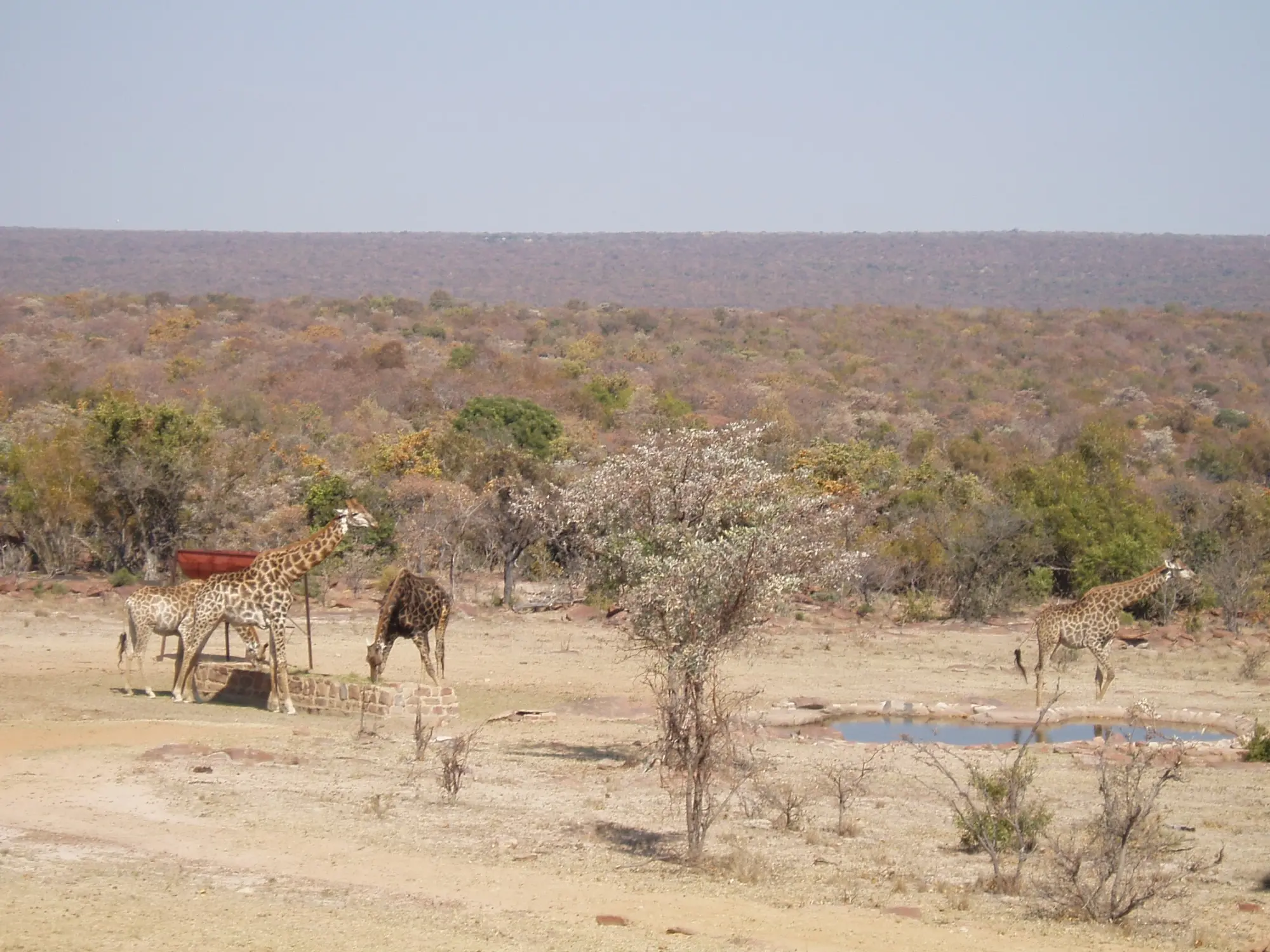
Seringa × Texas A&M
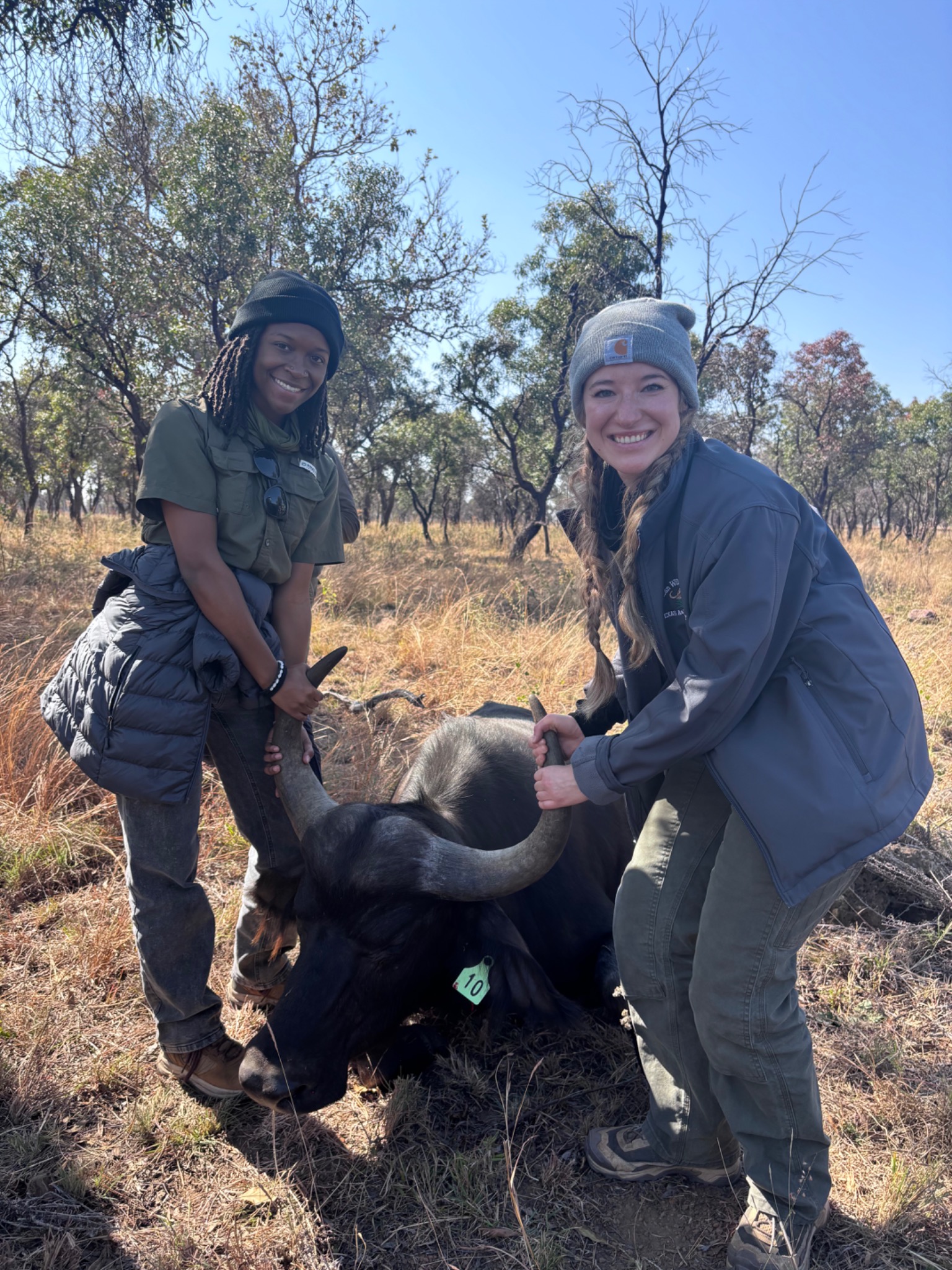
Learn how wildlife veterinarians prepare for a case, monitor an animal and guide its recovery. Teaching connects capture pharmacology and patient care with the teamwork, field judgment and safety practices that wildlife medicine demands.
Course focus
Who may attend
The partnership is exclusive; the audience is not. Practicing veterinarians from any school, practice, state or country may attend. Courses can be arranged with greater flexibility throughout the year, subject to faculty and field availability.
No current or former connection to Texas A&M is required. The course is designed for licensed veterinary professionals seeking applied wildlife-medicine education.
Seringa presents this professional course only through its Texas A&M partnership, combining academic credibility with an authentic South African field setting.
All participants must complete registration through Texas A&M. Ask Seringa for current dates and the official university enrollment path.
Texas A&M and local veterinary leadership
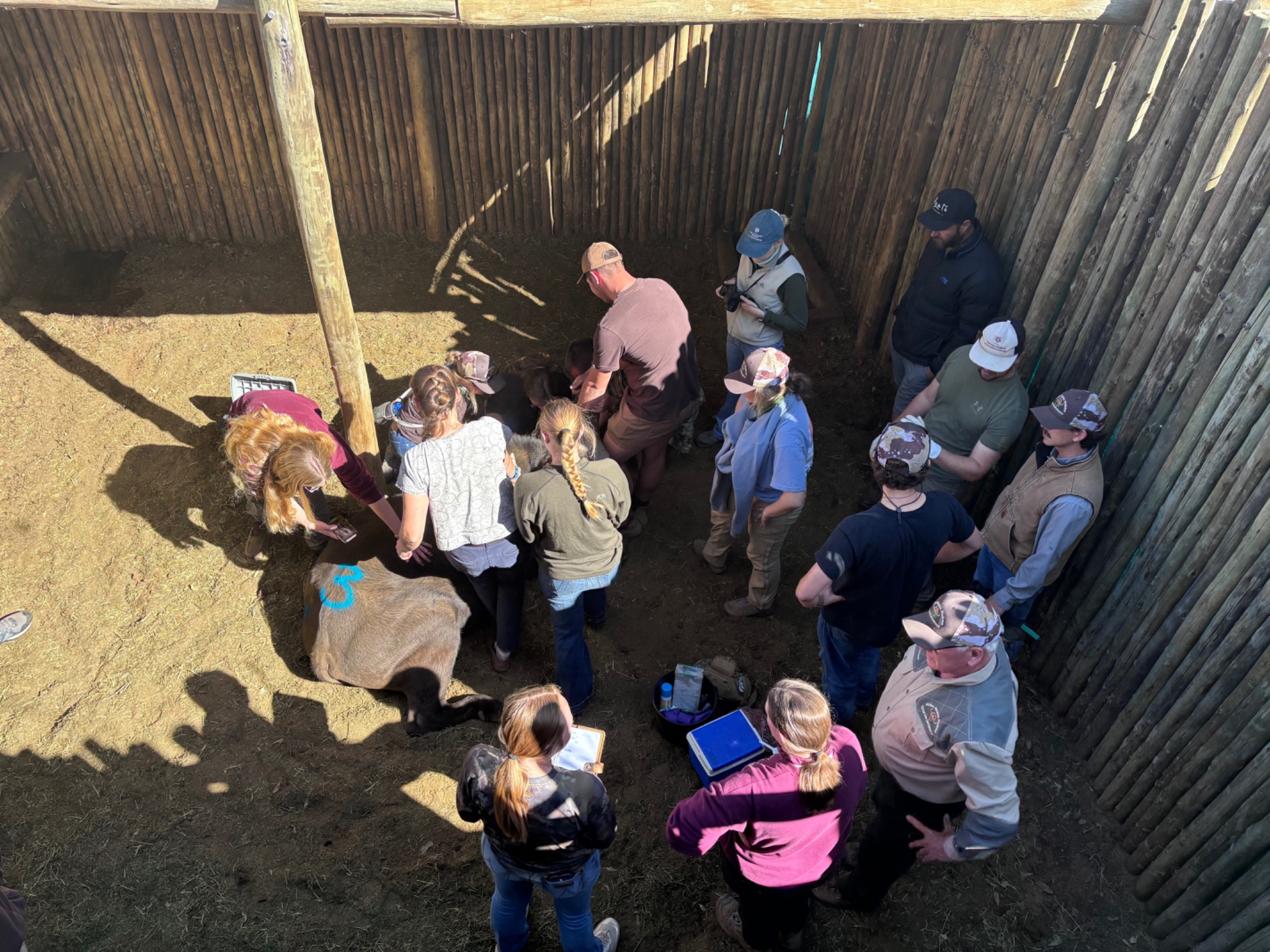
Texas A&M faculty work alongside South African wildlife veterinarians who remain active in their own practices. Their expertise in diagnosis, treatment and herd health connects the course to daily field work, while relationships with nearby ranches broaden the learning opportunities.
Course framework
Each subject connects pharmacology to the field conditions, patient needs and team communication that make wildlife work distinct.
Drug classes, selection principles, dosing considerations and the clinical logic behind protocols designed for exotic wildlife.
Delivery systems, preparation, field placement, scene management and the realities of working at distance.
Physiologic monitoring, clinical trends, equipment, recordkeeping and early recognition of change.
Anticipation, contingency planning and practical response when the field does not follow the plan.
Reversal strategies, patient positioning, observation, release and post-procedure decision making.
Occupational risk, safe handling, prevention, recognition of accidental exposure and the treatment response required when powerful agents affect a person.
Learning outcomes
A strong continuing-education course is defined by usable outcomes—not simply time spent in a classroom. The program connects each learning objective to the decisions veterinarians make before, during and after a wildlife case.
Evaluate the patient, species, environment, personnel and equipment before selecting an immobilization strategy.
Connect drug selection, dose, delivery method and contingency planning to the needs of the individual case.
Interpret physiologic trends, recognize clinically meaningful change and respond before a problem becomes a crisis.
Define roles, communicate clearly and coordinate preparation, intervention, reversal, recovery and release.
A complete professional course
The final course materials will make the educational and administrative expectations easy to understand before a veterinarian registers.
Published learning objectives, a timed course agenda, instructional methods, faculty credentials, prerequisites and any financial or commercial disclosures.
Live instruction, case-centered discussion, supervised field learning where appropriate, attendance verification and a clear process for participant questions and feedback.
Ask for the completion requirements, participation record and any CE certificate available for your selected course.
Why South Africa
South African wildlife practice places clinicians inside the variables that matter: species behavior, field access, weather, terrain, equipment, distance and the constant need to adapt without compromising care.
That context makes the course useful well beyond any single procedure. It sharpens preparation, communication and the ability to recognize when the plan needs to change.
See the Seringa landscape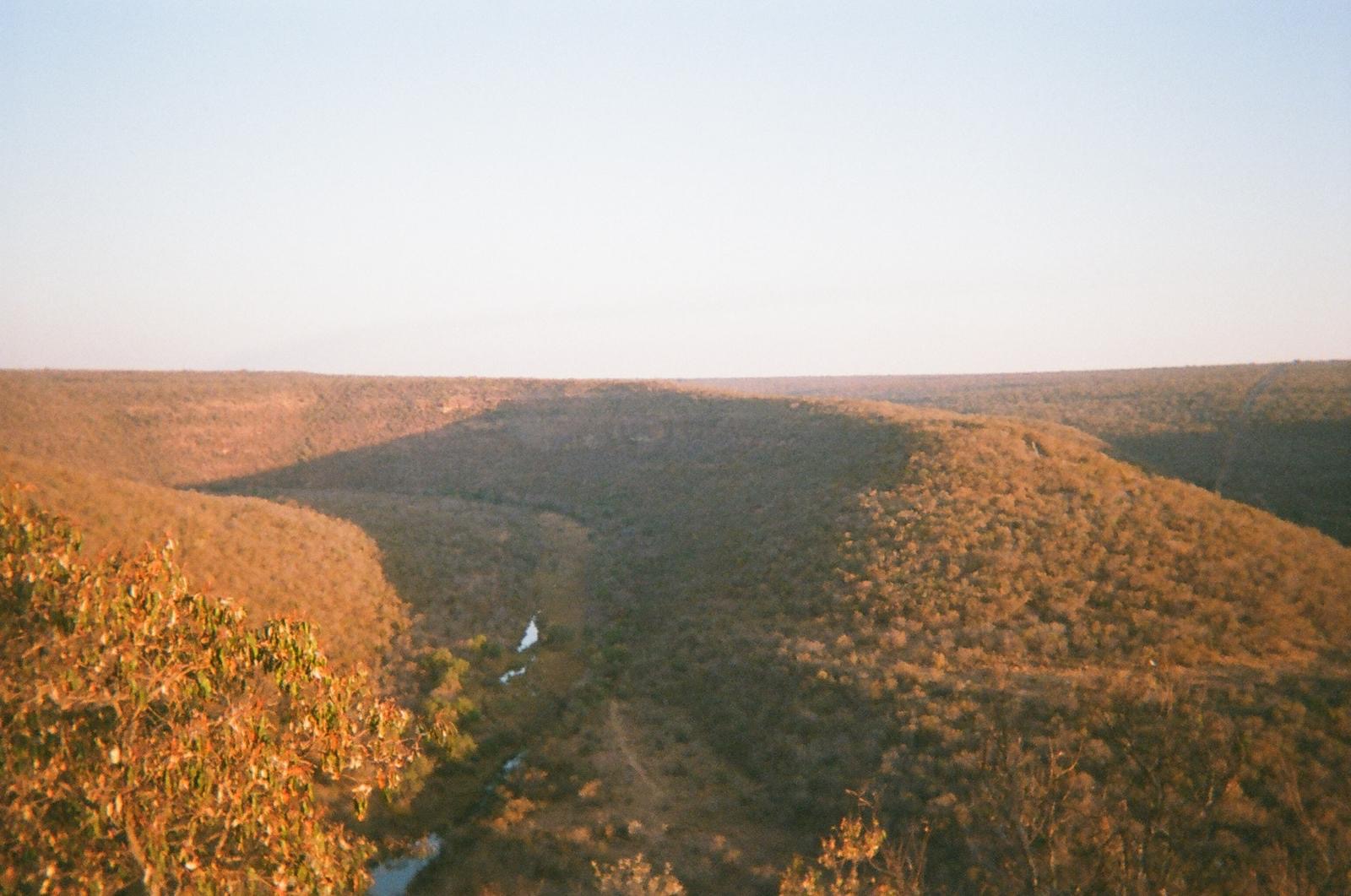
“Only if we understand, will we care. Only if we care, will we help. Only if we help, shall all be saved.”
Dr. Jane Goodall
Professional relevance
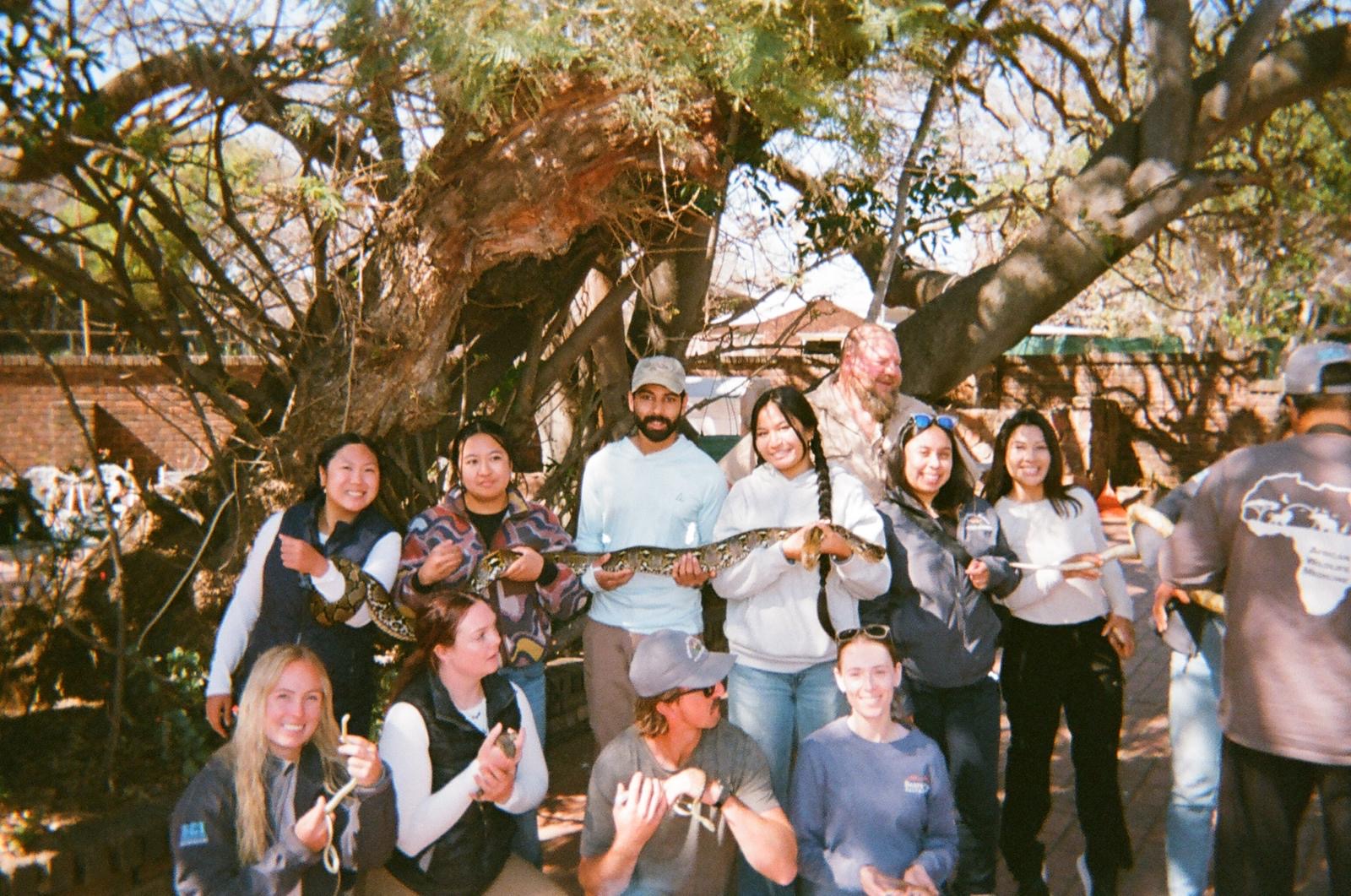
Field learning builds habits that travel with you: careful preparation, close observation and clear communication. Working alongside South African wildlife veterinarians brings fresh context to clinical decisions and the connection between individual animal care and conservation.
Build protocols with patient variation, logistics, personnel, equipment and emergency response already considered.
Connect monitoring data to the patient in front of you and act before a trend becomes a crisis.
Build prevention, emergency communication, immediate treatment and clearly assigned responsibilities into every protocol before a drug is handled.
Planning your professional development
Request the current course outline, faculty, schedule and enrollment information through Texas A&M. Confirm the available credit hours, approval status and completion requirements for the specific program before registering.
Credit acceptance depends on your licensing board’s requirements. Use the course documentation to confirm that the program meets your needs.
Request course and credit details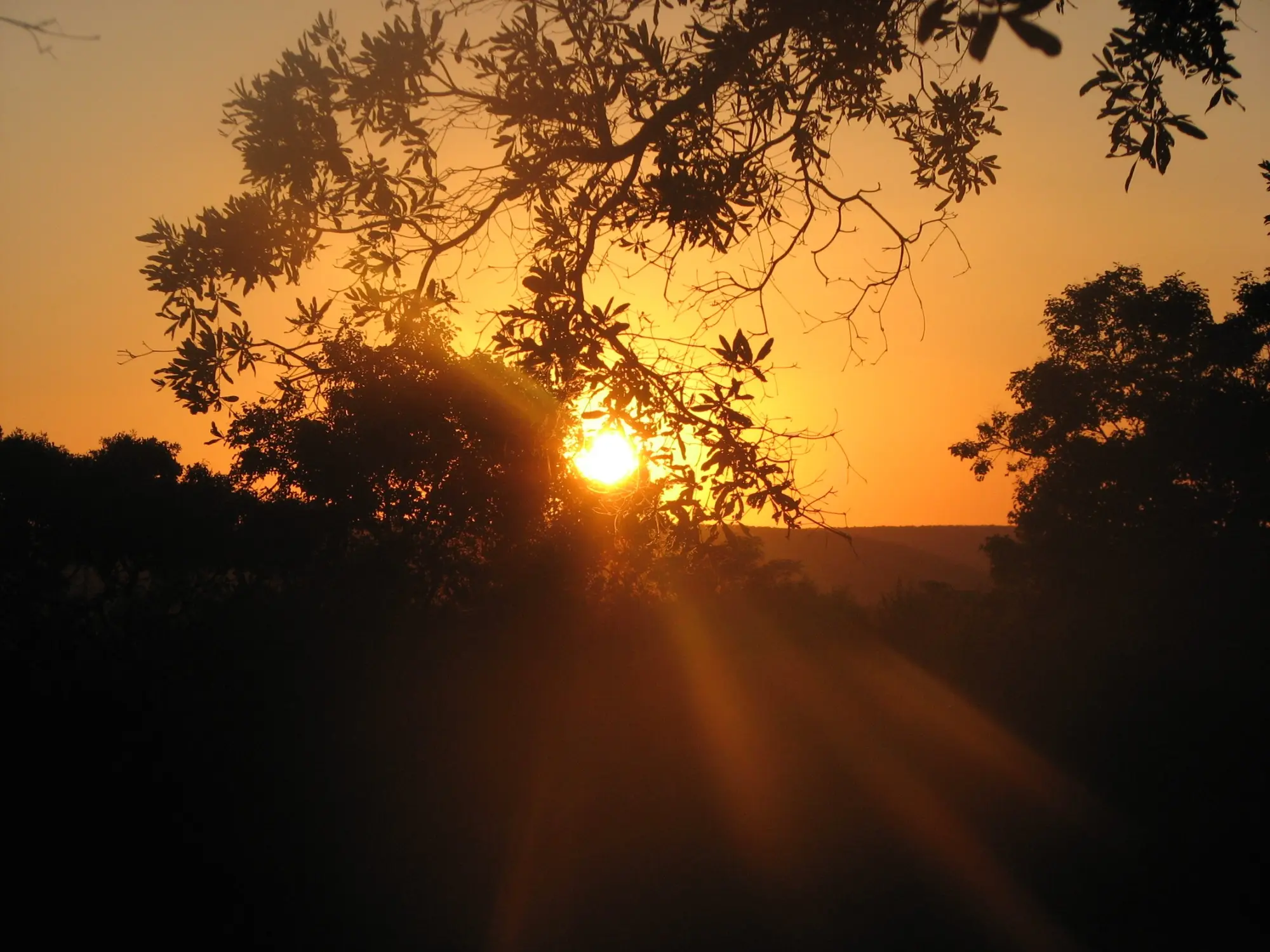
A professional course in a restorative setting
Return to private accommodations, shared discussion and chef-prepared meals. The lodge gives a professional cohort room to think together—and enough quiet to absorb the day.
Discover life at the lodgeSeringa × Texas A&M
Open to practicing veterinarians from any background. Ask Seringa about upcoming programs, then request the schedule, enrollment requirements and available CE credit details through Texas A&M.